Your fabric sectional sofa is more than just a piece of furniture; it’s the heart of your living room, a place for family gatherings, movie nights, and quiet relaxation. Over time, however, everyday life inevitably leaves its mark in the form of spills, dirt, and general wear. The thought of cleaning a large sectional can be daunting, especially the fear of accidentally causing water rings or permanent stains. But with the right approach and a little know-how, you can restore your fabric sectional to its pristine condition without fear of damage. This comprehensive guide, drawing from over a decade of expertise in furniture care, will walk you through every step, ensuring a clean, fresh, and stain-free sofa.
Understanding Your Sectional Sofa’s Fabric Cleaning Code
Before you reach for any cleaning solution, the single most critical step is to identify your sectional sofa’s cleaning code. This small, often overlooked tag, usually found beneath a cushion or on the sofa frame, holds the key to safe and effective cleaning. Ignoring it can lead to irreversible damage, such as shrinking, discoloration, or weakened fibers.
Here’s what the common codes mean:
- Code W (Water-Based): This indicates that the fabric is safe for water-based cleaning solutions. Most household fabric sofas fall into this category, allowing you to use mild detergents mixed with water, or even steam cleaners.
- Code S (Solvent-Based): Fabrics with an “S” code require water-free, solvent-based cleaners or dry-cleaning solvents. Using water on these fabrics can cause rings, shrinking, or permanent damage. Rubbing alcohol can be an effective spot treatment for some “S” fabrics.
- Code WS (Water or Solvent-Based): This versatile code means you can use either water-based or solvent-based cleaning methods. It offers flexibility, but always err on the side of caution and test any solution in an inconspicuous area first.
- Code X (Vacuum or Brush Only): This is the most delicate category. “X” coded fabrics should only be cleaned by vacuuming or light brushing with a non-metallic stiff brush. No liquids or solvents should be used. For deeper cleaning, professional upholstery cleaning is recommended.
Always locate your specific code. If you cannot find the tag, consult the manufacturer or a professional upholsterer to determine the fabric type and its recommended cleaning method.
Essential Tools and Gentle Cleaning Solutions
Having the right tools and solutions on hand is crucial for a successful, stain-free clean. Many effective cleaners can be made from common household ingredients, saving you money and avoiding harsh chemicals.
Basic Cleaning Equipment:
- Vacuum Cleaner with Upholstery Attachment: Essential for removing loose dirt, dust, and debris.
- Soft-Bristle Brush: Helps loosen embedded dirt and restore fabric nap.
- Clean Microfiber Cloths or White Towels: Use white cloths to prevent dye transfer to your sofa fabric. You’ll need several for blotting, applying solutions, and rinsing.
- Spray Bottles: Ideal for applying homemade cleaning solutions lightly and evenly.
- Buckets: For mixing solutions and holding clean water.
- Distilled Water: Tap water can contain minerals that leave water spots or rings. Distilled water is a safer choice for cleaning fabrics.
- Hair Dryer or Fan (Optional): To speed up drying, especially for slightly damp areas, but always use on a cool setting.
DIY Cleaning Solutions (for “W” or “WS” fabrics, always test first):
- Mild Dish Soap & Water: Mix a few drops of clear, mild dish soap (like Dawn) with a cup of warm distilled water. This is a go-to for general cleaning and many common spills.
- White Vinegar & Water: A 50/50 mix of white vinegar and distilled water in a spray bottle is excellent for neutralizing odors and tackling light stains. Vinegar’s natural acidity helps break down dirt and grime.
- Baking Soda: A fantastic deodorizer and gentle abrasive, baking soda is perfect for absorbing oily stains and pulling out stubborn smells.
- Rubbing Alcohol (Isopropyl Alcohol): For “S” or “WS” coded fabrics, or specific stains like ink, rubbing alcohol can be an effective solvent. Dampen a white cloth, don’t pour directly.
- Hydrogen Peroxide (3%) & Dish Soap: For tough, colored stains like red wine, a mixture of three parts hydrogen peroxide to one part mild dish soap can act as a gentle bleaching agent. Always test this mixture carefully on an inconspicuous area, as hydrogen peroxide can cause discoloration on some fabrics.
Commercial Cleaners:
- Upholstery Cleaner: Look for products specifically designed for fabric upholstery, such as Resolve Upholstery & Multi-Fabric Spot & Stain Remover. Ensure it’s compatible with your fabric’s cleaning code (“W” or “WS”).
- Enzyme Cleaner: For organic stains like pet urine, vomit, or blood, enzyme cleaners are highly effective. They break down the proteins and bacteria causing stains and odors.
Preparing Your Fabric Sectional for a Stain-Free Clean
Preparation is just as important as the cleaning itself. A few crucial steps beforehand will help ensure your cleaning efforts are effective and don’t create new problems.
- Vacuum Thoroughly: Begin by vacuuming your entire sectional. Use the upholstery attachment to remove loose dirt, crumbs, pet hair, and debris from the surface, cushions, and especially in crevices. For detachable cushions, remove them and vacuum both sides. A stiff brush with natural bristles can help loosen embedded dirt before vacuuming.
- Crucial Spot-Testing: This step cannot be emphasized enough. Before applying any cleaning solution to a visible area, always test it on a small, hidden spot of the fabric. This could be the back of the sofa, under a cushion, or in a rarely seen corner. Apply a small amount of your chosen cleaner, let it sit for 5-10 minutes, then blot dry. Check for any discoloration, fading, shrinking, or water rings once it’s dry. If the fabric shows any adverse reaction, do not use that cleaner and try an alternative.
- Protect the Surrounding Area: Lay down old towels or plastic sheeting around your sectional, especially if you’re working with liquids. This protects your flooring and nearby furniture from accidental spills or overspray.
A Step-by-Step Guide to Deep Cleaning Your Fabric Sectional
With your preparations complete and cleaning codes understood, you’re ready to tackle the main event. Remember to work systematically and patiently.
Phase 1: Initial Vacuuming
Even if you vacuumed during preparation, give your sectional another pass, paying close attention to seams, folds, and areas where dust and crumbs accumulate. This ensures no loose particles get wet and turn into muddy streaks during cleaning.
Phase 2: Targeted Spot Treatment
For specific stains, act quickly. The fresher a stain, the easier it is to remove.
- Blot, Don’t Rub: Never rub a stain, as this can spread it and push it deeper into the fabric fibers, making it harder to remove. Instead, gently blot the stain with a clean, white microfiber cloth, working from the outside edge of the stain inward. This technique helps prevent the stain from spreading and creating a larger ring.
- Apply Solution Sparingly: Dip a clean cloth into your chosen spot treatment solution (e.g., dish soap and water for “W” fabrics, rubbing alcohol for “S” fabrics or ink). Apply it to the stained area with gentle dabbing motions. Do not oversaturate the fabric.
- Repeat and Blot: Continue applying the solution and blotting with a fresh part of the cloth until the stain is lifted. For tougher spots, you might need to repeat this process several times.
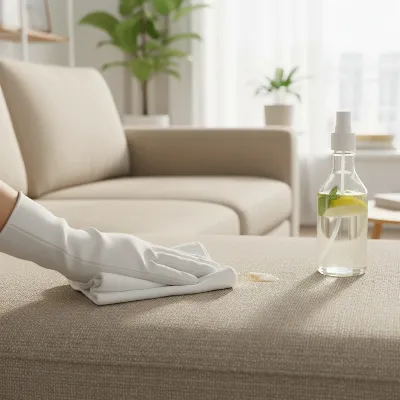 A person gently dabbing a small stain on a beige fabric sectional sofa with a white microfiber cloth, using a spray bottle of cleaning solution nearby in a well-lit living room setting
Phase 3: General Fabric Refresh
Once spots are addressed, you can proceed with a general cleaning to refresh the entire sectional.
- For “W” Coded Fabrics:
- Mix your mild dish soap and distilled water solution in a spray bottle.
- Lightly mist a small section of the sofa, ensuring you don’t oversaturate it.
- Using a clean, damp microfiber cloth, gently wipe the area in small, overlapping sections. You can use a soft brush if needed to work the solution into the fabric.
- Immediately follow with a second clean cloth dampened with plain distilled water to “rinse” the area, blotting away any soap residue.
- Blot dry with a third clean, dry cloth.
- Move to the next section, working uniformly across the entire sectional. Clean cushion covers separately if they are removable and tagged “W”.
- For “S” Coded Fabrics:
- Use a commercial dry-cleaning solvent or a solution of equal parts rubbing alcohol and white vinegar (always test first).
- Lightly dampen a clean, white cloth with the solvent.
- Gently wipe or blot small sections of the fabric. The goal is to lift dirt without introducing too much liquid.
- Do not rinse with water. Allow the solvent to evaporate and air dry.
- For “WS” Coded Fabrics: You have the flexibility to use either water-based or solvent-based methods. Start with the gentler water-based method if suitable, always performing a patch test first.
- For “X” Coded Fabrics: Absolutely no liquids. Stick to thorough vacuuming and brushing. If a deep clean is necessary, contact a professional.
Phase 4: Rinsing and Drying
Proper drying is essential to prevent water rings and mildew.
- Air Dry Completely: Allow your sectional to air dry thoroughly. Open windows, turn on ceiling fans, or use a stationary fan to circulate air.
- Avoid Over-Wetting: This is a common mistake that leads to water rings and can promote mildew. Use only enough solution to get the job done.
- No Direct Heat: Avoid using a hair dryer on a hot setting or placing the sofa in direct sunlight, as this can set stains or damage fabric fibers. A cool setting on a hair dryer, held a foot or more away, can help accelerate drying if needed.
- Fluff Cushions: Once dry, fluff and rearrange cushions to help them regain their shape and ensure even drying.
Conquering Stubborn Stains on Your Fabric Sectional
Some stains require a more targeted approach. Here’s how to tackle common culprits without staining your sofa further.
- Red Wine:
- Act Fast: Blot immediately with a clean, dry cloth.
- Salt Method: For fresh spills, generously sprinkle table salt or baking soda over the stain. Let it sit for 10-15 minutes to absorb the wine, then vacuum it away.
- Peroxide & Dish Soap: For remaining red wine stains (on “W” or “WS” fabrics), mix three parts hydrogen peroxide (3%) with one part mild dish soap. Apply with a clean cloth, gently dab, let it sit for a few minutes, then blot clean with a damp cloth. Test for discoloration first.
- Coffee/Tea:
- Blot: Blot up as much liquid as possible.
- Vinegar & Water: For fresh stains (on “W” or “WS” fabrics), a solution of equal parts white vinegar and water can be effective. Dab gently, then blot dry.
- Baking Soda Paste: For older coffee stains, mix baking soda with a little water to form a paste. Apply to the stain, let it dry, then vacuum.
- Glycerine: For tea stains, mix equal parts glycerine and water, press onto the stain, let sit for 10-15 minutes, then dab with a damp cloth.
- Ink:
- Rubbing Alcohol: Dampen a cotton ball or clean white cloth with rubbing alcohol (for “S” or “WS” fabrics, always test first). Gently dab the ink stain, being careful not to rub. Continue dabbing with fresh areas of the cloth until the ink is gone. Blot with a clean, damp cloth afterwards.
- Pet Urine & Odor:
- Blot Immediately: Absorb as much urine as possible with paper towels or a clean cloth.
- Vinegar Solution: On “W” or “WS” fabrics, saturate the area with a solution of equal parts white vinegar and water. Let it sit for 10-15 minutes. Vinegar neutralizes ammonia.
- Baking Soda: Blot the vinegar solution thoroughly, then sprinkle a generous amount of baking soda over the area. Let it sit for at least 4 hours (overnight for tough odors), then vacuum.
- Enzyme Cleaner: For set-in stains or persistent odors, an enzyme-based cleaner specifically designed for pet messes is highly recommended. Follow product instructions carefully.
- Oil/Grease:
- Baking Soda: Sprinkle baking soda directly onto the fresh grease stain to absorb the oil. Let it sit for 15-20 minutes, then vacuum.
- Dish Soap: For remaining residue (on “W” or “WS” fabrics), mix a few drops of mild dish soap with warm water. Apply with a clean cloth, dab gently, then rinse by blotting with a damp cloth.
Preventing Stains: Long-Term Care for Your Sectional Sofa
The best way to keep your fabric sectional looking new and stain-free is through consistent preventative care.
- Regular Maintenance:
- Weekly Vacuuming: A quick vacuuming session once a week removes dust, pet hair, and crumbs before they become embedded.
- Fluff and Rotate Cushions: This helps maintain their shape and ensures even wear, preventing concentrated areas from becoming soiled more quickly.
- Protective Measures:
- Slipcovers and Throws: These are fantastic for high-traffic areas or homes with kids and pets. They offer an easily washable barrier against spills and dirt. Look for machine-washable options.
- Fabric Protectors: Consider applying a commercial fabric protector (like Scotchgard, ensuring it’s safe for your fabric) that creates an invisible barrier, repelling liquids and blocking stains. Always test in an inconspicuous area first.
- Establish House Rules: Simple rules like “no eating or drinking on the sofa” or “use a coaster” can significantly reduce the risk of spills.
- Address Dye Transfer: New dark denim can transfer dye onto light-colored fabric sofas. Wash new jeans before wearing them on light upholstery, or use a throw blanket to protect the area.
- Avoid Direct Sunlight: Prolonged exposure to direct sunlight can cause fabric to fade and weaken over time. Position your sectional away from direct sun or use curtains/blinds.
 A stylish living room with a light-colored fabric sectional sofa partially covered by a complementary slipcover and decorative throws, showcasing protection and design
Common Pitfalls to Avoid When Cleaning Fabric Upholstery
Even with the best intentions, it’s easy to make mistakes that can worsen a stain or damage your sofa. Be mindful of these common errors:
- Over-Saturating the Fabric: Applying too much liquid can lead to prolonged drying times, water rings, and even mildew growth within the cushion padding. Always aim for a light, even application.
- Rubbing Aggressively: As mentioned, rubbing pushes stains deeper into the fibers and can damage the fabric’s texture or appearance. Always blot gently.
- Ignoring Care Tags or Spot-Testing: This is perhaps the most significant mistake. Skipping these steps can result in irreversible damage to your upholstery.
- Using Incorrect Cleaning Products: Harsh chemicals, bleach, or cleaners not designed for upholstery can strip fabric dyes, weaken fibers, or leave unsightly residues. Stick to approved solutions and always check your fabric code.
- Using Colored Cloths: Dye from a colored cloth can transfer to your sofa, creating a new, potentially permanent stain. Always use clean white cloths or paper towels.
- Leaving Soap Residue: Failing to “rinse” (by blotting with plain water) after using a soapy solution can leave a sticky residue that attracts dirt more quickly.
Conclusion
A clean fabric Sectional Sofa can transform your living space, making it feel fresh, inviting, and comfortable. While stains and general wear are an inevitable part of life, they don’t have to be permanent. By understanding your fabric’s cleaning code, utilizing the right tools and gentle solutions, and following a methodical cleaning process, you can confidently tackle spills and refresh your sectional without the worry of staining. Remember, quick action, proper technique, and consistent prevention are your best allies in maintaining the beauty and longevity of your beloved furniture. Enjoy your beautifully clean, stain-free sectional!
Frequently Asked Questions
How often should I deep clean my fabric sectional sofa?
For general upkeep, vacuum your sectional weekly. A deep clean is typically recommended every 6-12 months, or more frequently if you have pets, children, or a high-traffic living area, to prevent dirt buildup and address minor stains before they set in.
Can I use a steam cleaner on my fabric sectional?
Steam cleaners can be effective for “W” and “WS” coded fabrics, as they use hot vapor to lift dirt and sanitize. However, use them sparingly and with caution, ensuring you don’t over-wet the fabric. Always test in an inconspicuous area first and ensure thorough drying to prevent mildew.
What if my sofa fabric code is “X”?
If your fabric sectional has an “X” cleaning code, it means you should only clean it by vacuuming or light brushing. Any liquid, water-based or solvent-based, can cause damage. For deep cleaning, it is best to consult a professional upholstery cleaner.
How do I remove pet hair effectively from my fabric sectional?
Regular vacuuming with an upholstery attachment is key. For stubborn pet hair, you can also use a lint roller, rubber gloves (dampened lightly), or even a squeegee to gather the hair before vacuuming it away.
Is professional cleaning necessary for my fabric sectional?
While many stains and general dirt can be handled with DIY methods, professional cleaning is advisable every 1-2 years, especially for large sectionals, delicate fabrics (like “X” code), or when dealing with deeply embedded dirt and odors that home methods can’t fully remove.