Moving can be a daunting task, especially when large, unwieldy furniture like a sectional sofa is involved. While their comfort and versatility are undeniable, sectionals often present a significant challenge when it comes to relocation. Many people dread the thought of maneuvering a massive couch through doorways and down stairwells. Fortunately, with the right approach, disassembling your sectional sofa can transform it from a moving nightmare into manageable pieces, making your relocation smoother, faster, and significantly less stressful. This comprehensive guide will walk you through the essential steps, tools, and expert tips to efficiently take apart your sectional, ensuring a seamless move to your new home.
Preparing for Disassembly: Essential Tools and Pre-Checks
Before you begin the process of disassembling your sectional sofa, a little preparation goes a long way in saving time and preventing frustration. Gathering the necessary tools and conducting a few pre-checks will ensure a smoother operation from start to finish. This initial phase is crucial for an organized and efficient disassembly.
Tools You’ll Need
Having the right tools at hand is paramount. Most sectional sofas require only basic household tools, but some models might have specific fasteners. Here’s a list of common items you should prepare:
- Screwdrivers: Both Phillips-head and flathead screwdrivers are often needed for various fasteners.
- Allen Wrenches (Hex Keys): Many furniture pieces, especially modern ones, use Allen bolts. Keep any wrenches that came with your sofa, or have a standard set available.
- Adjustable Wrench or Pliers: Useful for turning nuts or bolts that might not fit a standard screwdriver or Allen key.
- Utility Knife or Scissors: For cutting plastic wrap, tape, or any stubborn packaging.
- Plastic Bags and a Marker: Essential for storing and labeling all removed hardware (screws, bolts, washers).
- Packing Tape: To secure plastic bags of hardware to their respective pieces or for wrapping.
- Moving Blankets or Old Sheets: To protect your sofa pieces from scratches and dirt during handling and transport.
- Stretch Wrap or Furniture Wrap: To secure cushions, protect upholstery, and keep disassembled pieces compact.
- Camera or Smartphone: For taking photos of the sofa before and during disassembly, serving as a visual guide for reassembly.
- Gloves: To protect your hands from splinters or rough edges.
Pre-Disassembly Checklist: Essential Steps
A systematic approach prevents overlooked details. Follow this checklist before you lift a finger to disassemble:
- Clear the Area: Ensure you have ample space around the sectional to work comfortably and safely. Remove any rugs, coffee tables, or other furniture that might impede movement.
- Take Reference Photos: Snap several pictures of your sectional from different angles before you start. Focus on how the pieces connect, the placement of cushions, and any unique features. These photos will be invaluable during reassembly.
- Locate the Sofa Manual (If Available): If you still have the original assembly manual, consult it. It often contains specific instructions and diagrams for disassembling your particular model, including the location and type of connectors. If not, a quick online search for your sofa’s make and model might yield a digital version.
- Identify All Connecting Points: Walk around your sectional and carefully inspect where each piece joins another. Look for clips, brackets, bolts, latches, or any other mechanisms that hold the sections together. Understanding how they work before you start will make the process much smoother.
- Clean the Sofa: A quick vacuum and wipe-down before disassembly will prevent dirt and dust from being sealed into packing materials and transferred to your new home.
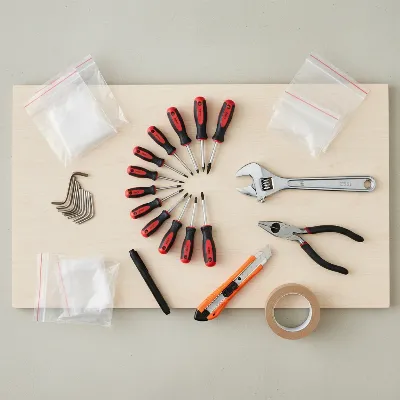 Essential tools laid out for disassembling a sectional sofa, including screwdrivers, wrenches, and plastic bags.
Step-by-Step Guide to Efficient Sectional Sofa Disassembly
With your tools ready and your pre-checks complete, it’s time to systematically take apart your sectional. This step-by-step guide is designed to make the process as straightforward and quick as possible. Remember to work methodically and avoid forcing any components.
Step 1: Remove All Loose Items
Begin by stripping your sectional of everything that isn’t structurally part of it. This includes:
- Cushions: Remove all seat and back cushions.
- Pillows: Gather any decorative throw pillows.
- Blankets or Covers: Take off any blankets, slipcovers, or protective coverings.
These items can be packed separately. Consider using large moving bags or vacuum-seal bags for cushions and pillows to save space and keep them clean.
Step 2: Locate and Disengage Connecting Mechanisms
This is the most critical step. Sectional sofas connect in various ways, and understanding your specific mechanism is key. Carefully inspect the underside, back, and sides of where the sections meet. Common connecting methods include:
- Interlocking Brackets or Clips: Many modern sectionals use heavy-duty metal brackets that slide and lock into each other. To disengage them, you typically need to lift one section slightly and pull it away from the other. Sometimes, a lever or a screw might need to be loosened first.
- Bolts and Nuts: Some older or more robust sectionals are joined by bolts that pass through the frames and are secured with nuts. You’ll need your wrench or pliers to loosen and remove these. Keep track of any washers.
- U-Clips or L-Brackets: These are often found underneath the sofa, connecting the wooden frames. They might be secured with screws. Use a screwdriver to loosen and remove them.
- Tension Rods or Pins: Less common, but some designs use rods or pins that slide into corresponding holes. You might need to push a button or release a latch to extract them.
As you remove bolts, screws, or other small hardware, immediately place them into a plastic bag. Use your marker to label the bag clearly (e.g., “Left Arm Section to Corner Piece”). This will save immense time and confusion during reassembly.
Step 3: Detach Legs and Smaller Components (If Applicable)
Some sectional sofa legs are removable, which can make the pieces lighter and easier to maneuver, as well as prevent damage to the legs themselves during the move.
- Legs: Most removable legs simply screw off by hand. For those that are bolted, use the appropriate wrench or screwdriver. Place these in a labeled bag, perhaps with other hardware from that specific section.
- Other Attachments: Check for any other components like removable headrests, armrests, or specialized recline mechanisms. These might have their own fastening systems. Disassemble them if it simplifies moving or prevents damage. For reclining sectionals, ensure any power cords are unplugged and secured with zip ties.
Step 4: Separate Modular Pieces
Once all connecting mechanisms are disengaged and any smaller components removed, gently begin to pull the sectional pieces apart.
- Two-Person Job: Ideally, have a helper for this step, especially for larger sections. One person can stabilize one piece while the other pulls the adjoining section.
- Lift and Separate: Avoid dragging or forcing the pieces. Carefully lift and separate them. If there’s resistance, double-check that all connectors have been completely disengaged. Refer to your photos if you’re unsure.
- Support: Be mindful of the weight and balance of each piece as you separate them.
Step 5: Secure Loose Parts and Components
After separation, each piece of your sectional is now ready for individual packing and transport.
- Attach Hardware Bags: Securely tape the labeled plastic bags of hardware to the corresponding sofa piece. A good spot is typically underneath the frame or inside a hidden compartment. This ensures you have all the necessary parts when it’s time to reassemble.
- Bundle Power Cords: For power reclining sectionals, bundle any power cords neatly and secure them with zip ties or packing tape to the piece they belong to.
- Protect Edges and Upholstery: Use moving blankets, stretch wrap, or cardboard to protect corners, edges, and delicate upholstery from scuffs and tears during the move.
Reassembly Tips and Protection for Your Sectional
Disassembling your sectional is only half the battle; reassembly and protecting it during transit are equally important for a successful move. A little forethought during these stages will ensure your sofa arrives at its new home in pristine condition and is put back together without a hitch.
Tips for a Smooth Reassembly
Reassembling a sectional sofa is generally the reverse of disassembly, but these tips will make it even smoother:
- Refer to Your Photos: The pictures you took before disassembling will be your best friend. Use them to confirm which piece connects where and how the hardware should be oriented.
- Follow Labels: Trust your labeling system for hardware. Attaching the correct bolts and screws to the right sections will prevent frustration and potential damage.
- Work in Reverse Order: Start by placing the largest or central piece, then attach the adjoining sections one by one, working outward.
- Don’t Overtighten: Hand-tighten all bolts and screws initially to ensure alignment. Once all pieces are loosely connected, go back and securely tighten everything, but avoid overtightening, which can strip screws or damage the frame.
- Test Stability: Once reassembled, gently push and pull on the sofa to ensure all connections are secure and the entire unit is stable before sitting on it.
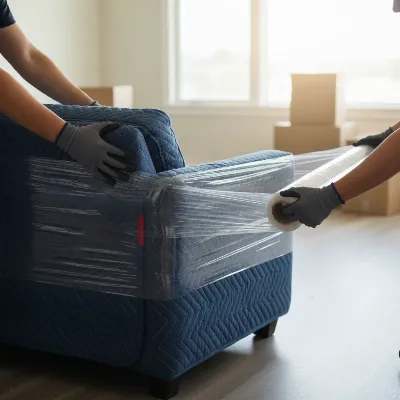 A disassembled sectional sofa piece being carefully wrapped in moving blankets and stretch film for protection.
Protecting Your Sectional During Moving
Proper protection is vital to prevent scratches, tears, and dirt accumulation while your sectional is in transit.
- Wrap Individual Pieces: Use moving blankets or thick furniture pads to wrap each disassembled piece individually. Secure the blankets with packing tape or stretch wrap. This provides cushioning against bumps and scrapes.
- Use Stretch Wrap Extensively: After blanketing, consider a layer of stretch wrap. It holds the blankets in place, keeps dust and dirt out, and can help secure any loose fabric or dangling cords. Wrap around cushions and pillows as well, possibly using dedicated mattress bags or large plastic furniture bags for extra protection.
- Guard Corners: The corners of furniture are particularly vulnerable. Add extra padding or cardboard corner protectors to prevent damage.
- Proper Lifting Techniques: Always lift with your legs, not your back. When carrying sectional pieces, maintain a clear line of sight and communicate with your moving partner. Use furniture dollies for heavier pieces to avoid strain.
- Stacking in the Moving Truck: Strategically load your moving truck. Place the heaviest, most durable pieces at the bottom. Position sectional pieces vertically if possible to save space, and secure them with moving straps to prevent shifting during transit. Avoid stacking heavy boxes directly on top of upholstery.
Common Pitfalls and Expert Advice
Even with careful planning, moving a sectional sofa can present its challenges. Being aware of common mistakes and heeding expert advice can save you time, effort, and potential damage to your valuable furniture.
Common Mistakes to Avoid During Disassembly
- Forgetting to Label Hardware: This is perhaps the most common and frustrating mistake. Imagine having a pile of screws and bolts with no idea which one goes where! Always label immediately.
- Forcing Pieces Apart: If a section isn’t separating easily, don’t muscle it. There’s likely a connector you missed. Forcing can damage the frame, fabric, or the connection mechanism itself.
- Not Taking Reference Photos: Relying solely on memory for reassembly is a recipe for disaster. Photos provide an undeniable visual guide.
- Disregarding the Manual: The manufacturer’s manual is your best resource. Ignoring it, especially for complex or unique designs, can lead to unnecessary difficulties.
- Working Alone on Heavy Sections: Some pieces are simply too heavy or awkward for one person. Enlist help to prevent injury or damage to the sofa.
- Not Protecting Upholstery: Leaving fabric exposed during a move invites dirt, tears, and stains. Always wrap and protect your pieces.
Expert Insight
“The secret to quickly disassembling a sectional sofa lies not in brute force, but in methodical preparation and understanding your specific model. Taking those initial few minutes to gather the right tools and meticulously label every piece of hardware will shave hours off your reassembly time and prevent countless headaches on moving day.” – Maria Rossi, Professional Mover & Furniture Specialist
Conclusion
Disassembling your sectional sofa for a move doesn’t have to be a source of stress. By following a systematic approach, preparing with the right tools, and paying close attention to detail, you can transform this large piece of furniture into manageable components. From carefully identifying connectors to meticulously labeling hardware and protecting each piece for transit, every step contributes to a smoother, faster, and more secure relocation. Embrace the process, and you’ll find that your beloved sectional arrives at your new home ready to be comfortably reassembled, allowing you to settle in with ease.
What other furniture pieces do you find most challenging to move, and why?
Câu Hỏi Thường Gặp
How long does it typically take to disassemble a sectional sofa?
The time required depends on the sectional’s size, complexity, and your experience level. A simple, two-piece sectional might take 15-30 minutes, while a large, modular unit with recline functions could take 1-2 hours. Proper preparation and having the right tools can significantly speed up the process.
Can all sectional sofas be disassembled?
Most modern Sectional Sofas are designed with some level of modularity, making them disassemblable. However, some older or custom-built sectionals might have permanently attached frames. Always check for visible connecting mechanisms or consult the manufacturer’s guide to confirm.
What if I don’t have the original manual for my sectional?
If you’ve lost your manual, try searching online for your sofa’s brand and model number. Many manufacturers provide digital copies on their websites. If you can’t find one, carefully inspect the sofa for any visible screws, bolts, or clips, and take photos before and during the process to guide reassembly.
Is it safe to move a reclining sectional sofa?
Yes, but take extra precautions. Ensure all power cords are unplugged, bundled, and secured to prevent damage. Disassemble it into its modular pieces as much as possible. Reclining mechanisms can be delicate, so avoid rough handling and ensure they are locked in a closed position before moving.
Should I remove the legs even if they aren’t bolted on?
Yes, if the legs are designed to be easily removed (e.g., screw-on legs), it’s highly recommended. This reduces the risk of them snagging, breaking, or scratching other items during transit, and can make the sofa pieces easier to maneuver through doorways.