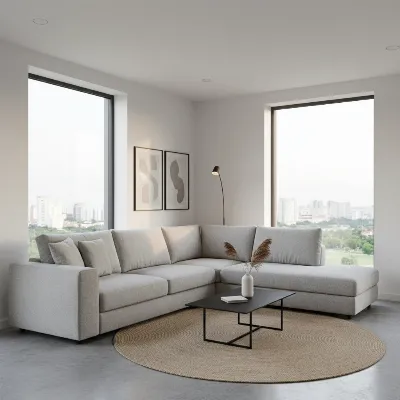
A sectional sofa is the cornerstone of many living rooms, offering unmatched comfort and flexible seating arrangements. Yet, few things are as frustrating as a beautiful sectional that constantly slides apart, creating awkward gaps and disrupting your meticulously arranged space. This common issue can turn your cozy haven into a source of daily annoyance, diminishing both comfort and aesthetic appeal. This comprehensive guide will explore practical, effective strategies to keep your sectional sofa pieces firmly in place, ensuring a stable and inviting living area for years to come.
Sectional Sofa: A Guide to Preventing Unwanted Movement
Sectional sofas are lauded for their versatility, allowing homeowners to adapt their seating to various layouts and social occasions. However, this modularity often comes with the challenge of keeping the individual pieces from drifting apart. Addressing this requires understanding the root causes and implementing the right solutions for your specific sofa and flooring.
Understanding Different Sectional Sofa Types and Their Stability
Sectional sofas come in various configurations, each with unique characteristics that can influence their tendency to slide. Understanding these types helps in choosing the most effective anti-slip solutions.
- L-shaped sectionals: These are typically composed of two or three pieces forming an “L.” They often have fewer connection points than larger modular units, but the long pieces can still exert leverage, causing separation if not properly secured.
- U-shaped sectionals: Consisting of multiple pieces that create a “U” shape, these offer extensive seating. With more connection points and a larger footprint, they might seem more stable, but individual sections can still shift, especially at the corners or chaise ends.
- Modular sectionals: These offer the greatest flexibility, with individual armless chairs, corner pieces, and ottomans that can be rearranged freely. While their adaptability is a major benefit, they are also the most prone to sliding and separation due to their independent nature and numerous potential disconnection points.
- Reclining sectionals: These types integrate reclining mechanisms, which can add weight and potentially some inherent stability. However, the movement of the reclining parts can also introduce stress on connectors, potentially loosening them over time.
Regardless of the type, the primary goal is to create friction between the sofa and the floor, or to physically link the pieces together, preventing any unwanted movement. Factors like smooth flooring (hardwood, tile, laminate), lightweight sofa construction, or a lack of proper floor protection often contribute to sliding.
Essential Methods to Secure Your Sectional Sofa Pieces
Keeping your sectional sofa firmly in place doesn’t have to be a complicated endeavor. A variety of effective solutions are available, ranging from simple additions to more integrated hardware.
Metal Sectional Connectors
These are one of the most robust solutions for keeping sectional pieces together. Metal connectors, such as interlocking brackets or alligator clips, are typically installed underneath the sofa sections. Once in place, they latch together when the pieces are pushed, creating a strong, secure bond. Some connectors are designed for a semi-permanent fixation using screws or bolts, ideal for layouts you rarely change. They are highly effective at eliminating gaps and preventing pieces from drifting, even with heavy use.
Hook & Loop Cinch Straps
For a less invasive and tool-free option, hook and loop cinch straps (often resembling Velcro) can be wrapped around the legs or frame of adjacent sofa pieces. These adjustable straps tightly bind the sections together, providing a simple and effective way to prevent movement. They are easy to install and remove, making them suitable for those who frequently rearrange their living space. However, they may not be as robust as metal connectors for very heavy or active use.
Non-Slip Furniture Pads and Grippers
These are perhaps the simplest and most cost-effective solutions for general sofa stability. Made from rubber, silicone, or a combination of materials, these pads are placed directly under each sofa leg. They create significant friction between the sofa and hard floor surfaces like wood, tile, or laminate, effectively preventing sliding. Furniture cups, which cradle the sofa legs, offer similar benefits with added stability. For legless sectionals, larger non-slip mats can be placed beneath the entire base.
Area Rugs with Non-Slip Backing
A well-placed area rug can dramatically improve sofa stability, especially on slick flooring. The rug itself adds a layer of friction, but for optimal results, it should be paired with a high-quality non-slip rug pad underneath. This combination ensures that both the sofa and the rug stay firmly in place, creating a unified, stable foundation for your sectional. Beyond stability, rugs add warmth, texture, and define your living space.
DIY Solutions
For those who enjoy a hands-on approach, several household items can be repurposed to prevent sofa sliding. Rubber shelf liners or cut-up yoga mats can be trimmed and placed under sofa legs to act as DIY grippers. Double-sided carpet tape, designed for fabric use, can also be applied to the bottom of sofa legs or between cushions (with caution, to avoid residue) for temporary adherence. For cushion slippage, adhesive Velcro strips can be attached to the underside of cushions and the sofa base.
Strategic Placement Against a Wall
Sometimes, the simplest solution is the most effective. Positioning one or more sides of your sectional directly against a sturdy wall can provide significant structural support, effectively anchoring those pieces and preventing them from sliding. This method works best for L-shaped or U-shaped sectionals where a wall can support a substantial portion of the sofa.
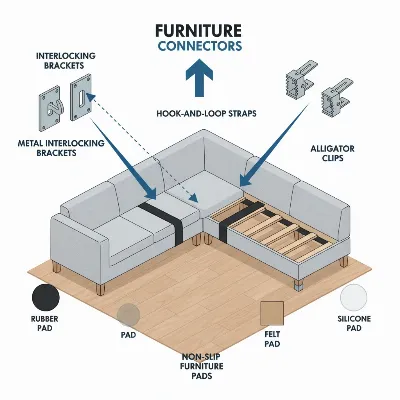 Diagram showing various types of sectional sofa connectors and non-slip pads in use
Factors to Consider When Choosing an Anti-Slip Solution
Selecting the best method for your sectional requires considering several practical aspects to ensure effectiveness and compatibility.
- Flooring Type: The type of flooring in your room is a crucial determinant. Hardwood, tile, and laminate floors benefit greatly from rubber or silicone grippers and rug pads, which create high friction. On carpet, physical connectors are often more effective as simple pads may not grip well.
- Sofa Weight and Leg Type: Heavier sectionals may require more robust solutions like metal connectors, while lighter pieces might suffice with cinch straps or furniture pads. The design of your sofa legs (e.g., thin metal legs vs. wide wooden blocks) will also influence which pads or connectors can be easily installed.
- Frequency of Rearrangement: If you enjoy frequently reconfiguring your sectional, easily removable solutions like cinch straps or non-slip pads are ideal. For a more permanent layout, screw-in connectors or sturdy interlocking brackets offer superior, long-term stability.
- Aesthetics: Some solutions, like discreet metal connectors installed underneath, are virtually invisible. Cinch straps might be slightly visible if not carefully positioned. Furniture pads are generally unobtrusive, but their effectiveness can decline if they visibly protrude or wear down.
- Budget: Solutions range widely in price, from inexpensive rubber pads and DIY options to more costly heavy-duty metal connector sets or large, high-quality area rugs. Determine what fits your budget while addressing the severity of the sliding issue.
Comparing Popular Anti-Slip Products for Sectional Sofas
When looking to keep your sectional in place, various products offer different levels of effectiveness, ease of installation, and cost. Below is a comparison of common solutions.
| Solution Type | Pros | Cons | Estimated Cost (Low to High) |
|---|---|---|---|
| Metal Interlocking Brackets | Strongest, almost invisible, durable, reliable for consistent layouts | Requires drilling/screws, can be challenging to install, less flexible for rearranging | Moderate |
| Hook & Loop Cinch Straps | Easy to install/remove, no tools needed, flexible for rearranging | Less secure for heavy use, straps may be visible, can wear out over time | Low |
| Rubber Furniture Pads | Very affordable, easy to apply, protects floors | May need frequent replacement, can collect dust reducing grip, not for carpets | Very Low |
| Silicone Leg Caps | Good grip, often more durable than pads, protects floors | Only for specific leg shapes/sizes, can still slide on very slick surfaces | Low |
| Area Rugs + Non-Slip Pads | Aesthetically pleasing, large surface grip, adds room comfort | Can be expensive (rug + pad), requires proper sizing, rug may still shift slightly | Moderate to High |
| DIY Solutions (Yoga Mats, etc.) | Very low cost, uses existing items, customizable | Variable effectiveness, not always aesthetically pleasing, less durable | Very Low |
A Buyer’s Guide to Choosing a Stable Sectional Sofa
If you are in the market for a new sectional sofa, you can proactively minimize future sliding issues by considering stability-enhancing features during your purchase. Making an informed choice now can save you hassle later.
- Built-in Connectors: Some high-quality sectionals come with pre-installed or integrated connecting mechanisms. Ask about these features as they are often designed specifically for the sofa’s frame and offer seamless stability.
- Sturdy Frame Construction: A heavier, more robust frame (e.g., solid hardwood) inherently provides more stability than lightweight alternatives. While it impacts portability, it significantly reduces the likelihood of pieces sliding.
- Leg Materials and Design: Look for sofas with wide, flat legs or those made from materials like solid wood or metal with a non-slip finish. Avoid thin, plastic, or polished metal legs, which offer less friction on smooth floors. Rubberized feet or integrated glides are a definite plus.
- Floor Type Compatibility: Consider how the sofa’s base or legs will interact with your existing flooring. If you have slick floors, prioritize sofas designed with stability in mind, or factor in the cost of additional anti-slip solutions.
- Modularity vs. Fixed Layout: If you plan for a fixed layout, a sectional with fewer, larger pieces that connect securely might be more stable than a highly modular design with many small, easily separated components.
- Read Reviews: Pay attention to customer reviews regarding how well the sectional pieces stay together. This can offer real-world insights into potential sliding issues.
Maintaining Your Sectional Sofa for Long-Term Stability
Ensuring your sectional sofa remains stable is an ongoing process that benefits from regular care and attention. Proper maintenance can prevent minor shifts from becoming major problems.
- Regular Cleaning: Dust, pet hair, and debris that accumulate under and around sofa legs can significantly reduce the effectiveness of non-slip pads and grippers. Regularly vacuum or sweep under your sectional to maintain a clean, high-friction surface.
- Inspect Connectors and Pads: Periodically check all connecting brackets, straps, or pads for wear and tear. Over time, friction can degrade rubber pads, and straps can lose their elasticity or grip. Loose or worn components should be adjusted or replaced promptly.
- Check for Leveling: Uneven floors can contribute to sofa instability. If possible, use furniture levelers under the legs to ensure each piece sits flat and firm. This small adjustment can make a big difference in preventing subtle shifts.
- Tighten Screws: For sectionals with screw-in connectors or attached legs, occasionally check and tighten any loose screws. Vibrations from daily use can cause hardware to loosen, leading to instability.
> “The secret to a truly comfortable living space isn’t just about the softness of the cushions, but the steadfastness of its foundation. A well-secured sectional transforms from mere furniture into an unwavering anchor of home comfort.” – Maria Chen, Interior Design Consultant
Conclusion
A sliding sectional sofa can be a persistent source of annoyance, disrupting the flow and comfort of your living space. Fortunately, with a range of effective solutions available, from robust metal connectors and practical cinch straps to simple non-slip pads and strategically placed rugs, you can easily secure your sectional. By understanding your sofa type, considering your flooring, and employing the right tools and techniques, you can ensure your sectional remains a unified, inviting centerpiece for relaxation and entertainment. Don’t let a shifting sofa dictate your comfort; take control and enjoy a perfectly stable and seamless seating arrangement. What simple change will you make today to anchor your sectional sofa firmly in place?
Frequently Asked Questions
Why do sectional sofa pieces slide apart?
Sectional sofa pieces often slide apart due to smooth flooring surfaces like hardwood or tile, lightweight sofa construction, a lack of friction-enhancing elements on the legs, or simply the natural movement of people sitting and getting up. Without proper connectors or anti-slip measures, the individual sections can easily drift.
Can I use a yoga mat to stop my sectional from sliding?
Yes, you can use an old yoga mat as a DIY solution. Cut pieces of the yoga mat to size and place them under the legs of your sectional sofa. The rubbery material of the mat provides excellent grip and increases friction against smooth floors, offering an affordable and effective temporary or long-term fix.
Are all sectional sofa connectors universal?
No, not all Sectional Sofa connectors are universal. While many common types like interlocking metal brackets or alligator clips are broadly compatible, some sectionals may have proprietary connector systems. Always check the type of connectors your sofa uses or verify compatibility before purchasing new ones to ensure a proper fit.
How often should I replace non-slip furniture pads?
The lifespan of non-slip furniture pads varies depending on material quality, floor type, and frequency of use. Generally, you should inspect them every 6-12 months. Replace them if you notice significant wear, thinning, or a loss of their grippy texture, as these signs indicate reduced effectiveness.
Can cleaning my floor prevent my sectional from sliding?
Yes, regularly cleaning your floor plays a significant role in preventing your sectional from sliding. Dust, dirt, and debris can create a slippery layer between the sofa legs and the floor, effectively reducing friction. A clean floor allows non-slip pads and grippers to work optimally, enhancing stability.