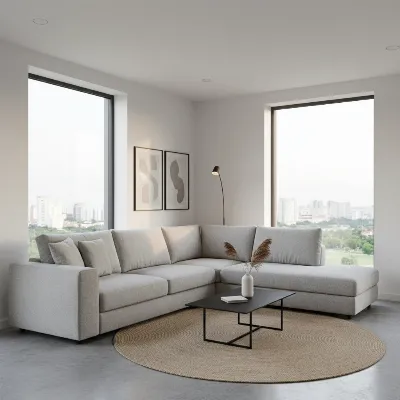
Choosing the perfect sofa is a pivotal decision for any home, especially when considering the expansive comfort and style a sectional offers. With over a decade of experience in furniture and sofa selection, I’ve seen firsthand how the right sectional can transform a living space. This guide delves deep into the distinctions between modular and fixed sectional sofas, providing you with the essential knowledge to make an informed choice that perfectly aligns with your space and lifestyle needs.
Sectional Sofas: A Comprehensive Guide to Perfect Selection
Sectional sofas, by their very nature, offer generous seating and a focal point for any living room. However, their core difference lies in their construction: fixed-configuration sectionals provide a unified aesthetic, while modular sectionals offer unparalleled adaptability. Understanding these fundamental differences is the first step toward finding your ideal seating solution.
Unpacking Sectional Sofa Types: Modular vs. Fixed
Table is empty.When embarking on your sectional sofa journey, it’s crucial to understand the two main categories: modular and fixed (often referred to as traditional) sectionals. Each offers a distinct approach to living room design and functionality.
Modular Sectional Sofas are composed of individual pieces, or “modules,” that can be arranged and rearranged in countless configurations. Think of them as building blocks for your living space, allowing you to customize the layout to fit different rooms, occasions, or evolving needs. This flexibility means a left-facing chaise today can become a standalone chair or a central part of a U-shaped arrangement tomorrow. They are especially well-suited for smaller apartments, studios, or homes with irregular layouts, as individual pieces are easier to maneuver through tight spaces.
Fixed Sectional Sofas, on the other hand, are typically sold as a cohesive unit or a few large, interconnected pieces designed to form a predetermined shape, such as an L-shape or U-shape. Once assembled, their configuration is largely permanent, creating a unified and polished look that firmly anchors the room. These sectionals are often chosen for larger living rooms or open-plan areas where a consistent and grand aesthetic is desired. While some fixed sectionals offer minor adjustments at the point of purchase, their core layout remains consistent, providing a sturdy and dependable seating solution.
Key Factors When Selecting Your Sectional Sofa
Beyond the fundamental modular versus fixed distinction, several critical elements demand your attention to ensure your chosen sectional sofa truly complements your home.
Size and Space Planning
Accurate measurement is paramount. Before even browsing, precisely measure your living room and, crucially, the delivery path, including doorways, hallways, and stairwells. A common mistake is overlooking the diagonal measurement of the largest sofa section, which is often greater than its width or depth. Visualize the sectional in your space using painter’s tape to outline its dimensions on the floor, leaving at least 12-18 inches of clearance around it for comfortable movement and other furniture.
Material Matters
The upholstery material you choose impacts not only the look and feel but also durability and maintenance.
- Fabric options like microfiber, microsuede, polyester, linen, and cotton offer a soft touch and can be highly durable, making them excellent for homes with pets or children. Performance fabrics provide enhanced stain resistance.
- Leather (full grain, top grain, corrected grain) exudes luxury and is generally easy to wipe clean, offering long-lasting style. However, leather can be susceptible to scratches from pets.
Frame Construction and Cushioning
The longevity of your sectional hinges on its internal structure. Look for a solid frame, typically made of kiln-dried hardwood or high-quality metal, to ensure stability and durability. For cushions, consider the density of the foam and seat depth. Deeper seats are often preferred for lounging, while firmer cushions provide more support and maintain their shape longer. Regularly fluffing and rotating cushions helps distribute wear evenly and prolong their life.
Style, Aesthetics, and Comfort
Your sectional should align with your home’s overall decor, whether it’s traditional, modern, or contemporary. Fixed sectionals often present a more unified and polished appearance, anchoring a room with a continuous silhouette. Modular sofas lend themselves to sleek, modern designs with the flexibility to create dynamic layouts. Ultimately, comfort is deeply personal; what feels good for a few minutes in a showroom might not translate to hours of relaxation. Pay attention to seat depth, backrest height, and overall feel.
 A woman measuring a living room floor with a tape measure, visualizing a sectional sofa layout with blue painter's tape on the floor, surrounded by natural light and contemporary interior design.
Detailed Comparison: Modular vs. Fixed Sectional Sofas
To further clarify the choice, here’s a direct comparison of the key aspects of modular and fixed sectional sofas:
| Feature | Modular Sectional Sofa | Fixed Sectional Sofa |
|---|---|---|
| Flexibility | High; individual modules can be rearranged or expanded. | Low; fixed layout, limited reconfiguration once assembled. |
| Space Adaptability | Ideal for small, irregular, or evolving spaces. | Best for large, open-plan rooms, anchoring the space. |
| Portability | Easier to transport and move through narrow passages. | Challenging to move due to large, connected sections. |
| Customization | High; mix-and-match pieces, add/remove modules over time. | Moderate; configuration and options largely set at purchase. |
| Aesthetics | Modern, adaptable designs; potential for visible seams. | Unified, cohesive, and polished appearance; seamless design. |
| Cost | Often higher initial cost per seat, but long-term value in adaptability. | Generally more affordable upfront for extensive seating. |
| Durability | Relies on strong connectors; overall quality varies by manufacturer. | Sturdier construction due to unified frame. |
| Maintenance Ease | Easier to clean around and under individual modules. | Can be heavier and more difficult to clean under fully. |
| Assembly | Often requires more assembly to connect modules. | Usually comes fully assembled or with minimal, straightforward assembly. |
Navigating the Purchase: Your Sectional Sofa Buying Guide
Making a significant furniture investment like a sectional sofa requires a thoughtful approach. Here’s a step-by-step guide to ensure you make the best choice.
- Define Your Needs and Budget: Consider who will use the sofa (family, entertaining, pets), how frequently, and what activities will take place on it. Establish a realistic budget, remembering that modular options can sometimes incur higher initial costs but offer long-term flexibility.
- Thorough Research: Explore different styles, materials, and configurations online. Read reviews, and pay attention to details about frame construction, cushion filling, and fabric durability.
- Experience In-Store: Nothing replaces sitting on a sofa. Visit showrooms to physically test comfort, seat depth, and material feel. If considering a modular option, ask about the connector mechanisms and how easily modules can be separated and reattached.
- Quality Check: Before finalizing your purchase, inspect the quality of the stitching, the firmness of the cushions, and the stability of the frame. For modular sofas, check the robustness of the connectors to prevent pieces from separating.
- Understand Warranty and Return Policies: Clarify the warranty for the frame, cushions, and upholstery. Familiarize yourself with the return or exchange policy, especially for large, custom, or made-to-order items.
> “The right sectional sofa is an investment in your lifestyle. Don’t rush the decision; prioritize functionality, comfort, and how it truly integrates into your daily life.” – Admin, ReviewZade
Preserving Your Investment: Sectional Sofa Maintenance Tips
Proper care can significantly extend the life and beauty of your sectional sofa, regardless of whether it’s modular or fixed.
- Regular Cleaning: Vacuum your sectional weekly using an upholstery attachment to remove dust, crumbs, and pet hair, especially in crevices and under cushions. For fabric, a lint roller is effective. For leather, a soft, damp cloth can wipe down surfaces regularly.
- Cushion Care: Fluff and rotate cushions every few days or weekly to maintain their shape and prevent premature wear and tear. This ensures even distribution of pressure and helps prolong the life of the filling.
- Protect from Elements: Position your sectional away from direct sunlight and heat sources (like radiators or fireplaces). Prolonged exposure can cause fabric to fade and leather to dry out and crack. Use curtains or blinds to minimize sun exposure.
- Prompt Spill and Stain Treatment: Address spills immediately by gently blotting the area with a clean, dry cloth (never rub). Depending on the material, use a mild detergent diluted with water or a specialized upholstery/leather cleaner, always spot-testing in an inconspicuous area first.
- Deep Cleaning: Consider a monthly deep clean. For fabric, this might involve an upholstery cleaner or steam cleaner, following product instructions carefully. For leather, apply a leather conditioner every few months to keep it supple and prevent cracks.
- Professional Assistance: For stubborn stains, lingering odors, or delicate materials, professional cleaning services can be a worthwhile investment to extend your sofa’s lifespan and preserve its appearance.
 A person gently vacuuming a light-colored fabric modular sectional sofa with an upholstery attachment, showing attention to detail for cleanliness and longevity.
Conclusion
The choice between a modular and a fixed sectional sofa ultimately hinges on your specific needs, the dynamics of your living space, and your personal design preferences. Modular sofas offer unparalleled flexibility, allowing you to adapt your seating arrangement as life evolves, making them perfect for dynamic households or smaller, adaptable spaces. Fixed sectionals provide a sense of permanence and a cohesive, grand aesthetic, ideal for larger rooms where stability and a unified look are prioritized. By carefully considering factors such as size, material, construction, and lifestyle, you can confidently select a sectional sofa that provides comfort, style, and functionality for years to come. What kind of lifestyle does your ideal sectional sofa complement best?
Frequently Asked Questions
What is the main advantage of a modular sectional sofa?
The primary advantage of a modular sectional sofa is its high flexibility and adaptability. It allows you to easily rearrange individual modules to create various configurations, fit different room layouts, or adapt to changing needs over time, which is particularly beneficial for renters or those who enjoy redecorating.
Are fixed sectional sofas more durable than modular ones?
Fixed sectional sofas often boast sturdier construction due to their unified frame, which can contribute to greater durability. However, the durability of modular sofas largely depends on the quality of their connectors and overall manufacturing. Reputable modular sofas can be just as durable as fixed ones, though they may come at a higher price.
Can a modular sectional sofa be more cost-effective in the long run?
While modular sofas may have a higher initial upfront cost per piece, they can offer better long-term value. Their ability to adapt to new homes or changing needs means you might not need to replace the entire sofa, saving money over time, as you can add or remove modules as required.
How do I ensure a sectional sofa fits through my doorways?
To ensure a Sectional Sofa fits, meticulously measure every doorway, hallway, and stairwell on the delivery path. Crucially, also measure the diagonal of the largest sofa section, as this is often longer than its width or depth. If any passage is narrower than this diagonal measurement, delivery may be challenging or impossible without disassembly.
What materials are best for a sectional sofa in a home with pets?
For homes with pets, durable and easy-to-clean materials like microfiber, polyester, or performance fabrics are excellent choices, as they tend to resist stains and wear well. While leather can be wiped clean, it is more susceptible to scratches from pet claws.