A sectional sofa can be effectively arranged in a small living room by choosing a suitably scaled sectional, meticulously planning the layout around traffic flow and focal points, and employing clever design tricks. Many assume sectionals are too grand for compact spaces, but with smart planning and strategic placement, this versatile furniture piece can transform a snug area into a stylish, inviting, and highly functional hub. This guide provides expert insights and practical arrangement ideas to help maximize every inch, ensuring your sectional enhances, rather than overwhelms, your small living room.
Choosing the Right Sectional for Your Small Living Room
The journey to a perfectly arranged small living room begins with selecting a sectional that respects your space’s dimensions and visual flow. Not all sectionals are created equal for compact areas; specific design elements can make a significant difference. Prioritize models featuring slim arms, low-profile backs, and raised legs, as these characteristics help to visually lighten the piece, preventing it from appearing bulky or consuming too much floor space. For instance, low-profile designs often make a room feel airier and less crowded.
Consider these sectional types for small spaces:
- L-shaped sectionals: These are often the most straightforward choice for small rooms, fitting neatly into corners and maximizing seating without a large footprint. They are effective at defining a seating area, especially in open-concept layouts.
- Modular sectionals: Offering ultimate flexibility, modular pieces allow you to rearrange components as needed, or even remove a section if space becomes particularly tight. This adaptability makes them ideal for evolving living situations or changing room layouts.
- Sectionals with a chaise: A chaise lounge component provides the luxury of stretching out without requiring a separate ottoman, making it a space-efficient solution for lounging. Some even offer hidden storage beneath the chaise, adding valuable functionality.
“When looking to use a sectional in a smaller space, keep in mind scale and visual balance. Specifically, look for sleek silhouettes, raised legs and low-profile designs. This visually opens up the room and allows light to flow underneath.” – Isfira Jensen, CEO and Principal Designer of Jensen & Co. Interiors.
Essential Planning for Optimal Layout
Successful sectional arrangement in a small living room hinges on meticulous planning. Before moving any furniture, take the time to assess your space thoroughly.
Measure Your Space Accurately
Begin by measuring the precise dimensions of your room, including length, width, and ceiling height. Note the placement of doors, windows, heat registers, and any architectural features like fireplaces or built-in shelving. This crucial step ensures you choose a sectional that fits proportionally and allows for comfortable movement.
Prioritize Traffic Flow
|
Our Picks for the Best Sectional Sofa in 2026
As an Amazon Associate I earn from qualifying purchases.
|
||
| Num | Product | Action |
|---|---|---|
| 1 | Modway Roscoe Left-Facing Sectional Sofa with Chaise in Ivory - 2-Piece Mélange Chenille Fabric Deep Seat Couch, L Shaped Modular for Living Room or Lounge |

|
| 2 | arabicsofa 4" Thick L Shaped Floor Couch, Seating, Floor Pillow, Sectional Sofa Set, Patio Furniture, Arabic Majlis (L Sofa + Rug + Ottoman, 4'' Thickness (10 cm)) |
|
| 3 | 108" L Shaped Modular Sectional Cloud Couch with Ottoman, 3 Seats Modern Sofas with Charger, USB & Type-c Port with Deep Seat for Living Room, Bedroom and Apartment, White |
|
| 4 | Modern Luxury Curved Sectional Sofa for Living Room,168-inch Oversized 3-Piece White Boucle Fabric U-Shaped Couch Indoor,Upholstery Modular Semicircle Chaise |
|
| 5 | Modway EEI-4112-CHA Restore 3-Piece Sectional Sofa, Charcoal |
|
| 6 | 140" U Shaped Modern Modular Sectional Sofa, Chenille Cloud Couch with Storage Ottoman, 4 Seater Deep Seat Couches with Side Pocket for Living Room, Bedroom and Apartment, Beige |
|
| 7 | Modway Roscoe Right-Facing Sectional Sofa with Chaise in Espresso - 2-Piece Faux Leather Upholstered Deep Seat Couch, L Shaped Modular for Living Room or Lounge |
|
| 8 | L Shaped Arabic Floor Cushions, Sectional Sofas, Arabic Majlis Set, Custom Made Sofa, Arabic Sofa Set, Seating Cushions (4'' Thickness Sofa, L Sofa + Rug, Green) |
|
| 9 | ZeeFu Convertible Sectional Sofa Couch,Classic 3 Seat L-Shaped Sofa with Movable Ottoman, Modern Dark Grey Velvet Fabric Upholstered Small Sectional Sofa Couch for Small Apartment Living Room Office |
|
| 10 | Modular Sectional Sofa Couch with Storage Space Underneath, 93''L 3 Seater Sofa with Deep 27'' Seat & Rolled Armrest Design, Wood Frame Seat with Dual Spring and Memory Foam Cushion |
|
Maintaining clear pathways is paramount in a small living room. When arranging your sectional, ensure there’s an easy, unobstructed route around it, ideally leaving a minimum of 30 inches of walking space. Avoid placing the sectional where it blocks doorways or creates awkward bottlenecks, which can make the room feel cramped and less functional. Position the chaise side of the sectional where there is less walking traffic to maintain clear paths.
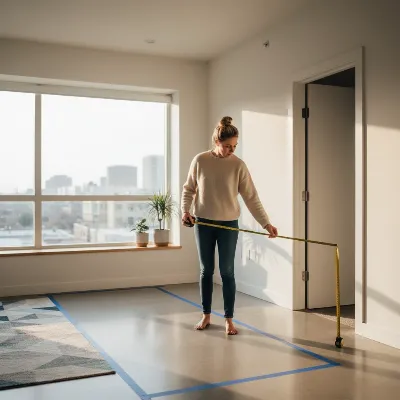 A woman measuring a compact living room with a tape measure, envisioning a sectional sofa layout with careful attention to traffic flow and natural light.
Identify Focal Points
Consider any existing focal points in your room, such as a fireplace, a large window with a captivating view, or a television. Arrange your sectional to complement and highlight these features rather than competing with them. This creates a cohesive and visually pleasing layout that draws the eye towards desired elements.
Maximize Natural Light
Natural light can significantly influence how spacious a room feels. When positioning your sectional, avoid blocking windows to allow ample light to flood the space. A well-lit room naturally appears larger and more inviting. If placing the sectional near a window, opt for a low-profile design so the back doesn’t obstruct the view or light.
Clever Sectional Arrangement Ideas for Compact Spaces
With your planning complete, it’s time to explore specific layout strategies that make a sectional sofa shine in a small living room. These arrangements are designed to optimize seating, enhance flow, and create a sense of openness.
The Classic Corner Placement
One of the most effective ways to integrate a sectional into a small room is to tuck it neatly into a corner. This L-shaped configuration efficiently utilizes often-underused corner space, opening up the middle of the room and improving walkability. This setup maximizes seating and creates a cozy, defined conversation area without overcrowding. To prevent a boxed-in feel, consider adding wall art or a tall plant in the corner to draw the eye upward.
Floating the Sectional
While it might seem counterintuitive in a small space, positioning your sectional slightly away from the walls can create a more balanced and dynamic feel. Floating the sectional helps define zones within an open-concept living area, creating a visual boundary between the living room and other spaces like a dining nook or hallway. This technique can add breathing room around the furniture and establish a natural flow. Anchor the seating area with an appropriately sized area rug to enhance this effect.
Under a Window Arrangement
Placing a low-profile sectional under a window can create a bright, inviting focal point while freeing up other wall space. The natural light highlights the sofa, making the room feel larger. This layout works particularly well with L-shaped sectionals in rooms with corner windows, as the sofa can beautifully frame the light.
Creating a Conversational Layout
Arrange your sectional so that the seating naturally faces inward, encouraging interaction and conversation. In a small living room, this layout fosters intimacy while maintaining a relaxed flow. Place a small coffee table or ottoman at the center to connect the space and provide a surface for drinks or books. If space permits, a single accent chair or pouf on the open side can complete the seating area, perfect for gatherings.
Maximizing Space and Enhancing Visual Appeal
Beyond the physical arrangement, several design tricks can further optimize your small living room, making it feel larger, brighter, and more functional with a sectional.
Light Colors and Textures
Opt for sectionals in light or neutral colors to make your small space feel more open and expansive. Light colors reflect light, contributing to an airy atmosphere. Incorporate varied textures through throw pillows, blankets, and rugs to add visual interest without overwhelming the room with dark, heavy elements.
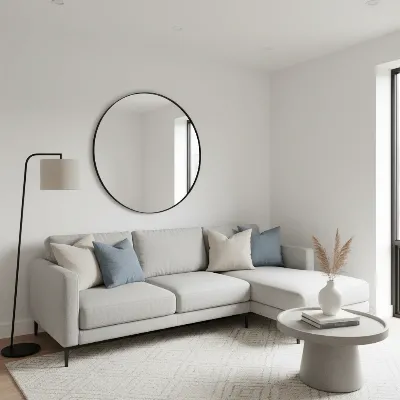 A modern, light-colored sectional sofa in a small, airy living room, decorated with soft textures, strategic lighting, and a large wall mirror to enhance the sense of space.
Strategic Lighting
Utilize a combination of overhead lighting, floor lamps, and table lamps to create a warm and layered lighting effect. Position lighting to highlight your sectional and other key areas of the room, drawing attention to different elements and adding depth. Good lighting can prevent a room from feeling dark and confined.
Incorporate Mirrors
Mirrors are powerful tools for creating the illusion of greater space by reflecting light and opening up a room. Place a large mirror on a wall opposite a window or even behind the sectional to enhance the sense of depth and brightness in your living area.
Vertical Storage Solutions
Draw the eye upward by utilizing vertical space. Tall bookshelves, wall-mounted shelving, or artwork placed strategically can make the room feel taller and more expansive. This also provides valuable storage without consuming precious floor space. Consider a floating TV stand or mounting your TV on the wall to free up floor space around your sectional.
Multifunctional Furniture
In a small living room, every piece of furniture should earn its keep. Look for sectionals with integrated storage or consider adding a storage ottoman that can serve as a coffee table, extra seating, and a place to tuck away blankets or magazines. Sleeper sectionals are also an excellent option for accommodating overnight guests without a dedicated guest room.
“You might think a big couch makes a small room feel crowded, but the opposite can be true. A sectional can actually help your room feel bigger and better designed… using one large piece… can feel more efficient than using many smaller pieces.”
Conclusion
Arranging a sectional sofa in a small living room is not merely about fitting furniture; it’s about crafting a comfortable, stylish, and highly functional space that maximizes every square foot. By carefully selecting a suitably scaled sectional, meticulously planning your layout around traffic flow and focal points, and employing clever design tricks, you can transform a compact area into an inviting sanctuary. Embrace the versatility of the sectional, and you’ll discover that even the coziest living rooms can achieve remarkable spaciousness and charm. What creative arrangement will you try first to unlock your small living room’s full potential?
Frequently Asked Questions
Can a sectional sofa really make a small living room feel larger?
Yes, a sectional sofa can make a small living room feel larger by providing ample, cohesive seating that eliminates the need for multiple smaller pieces. When strategically placed, especially in a corner, it frees up central floor space and streamlines the room's design, contributing to a more organized and expansive feel.
What kind of sectional is best for a very small apartment?
For very small apartments, modular sectionals are often the best choice due to their flexibility to be reconfigured or downsized. L-shaped sectionals with slim arms, low-profile backs, and raised legs are also excellent as they maximize corner space and seating without visually overpowering the room.
How much walking space should be left around a sectional in a small room?
When arranging a sectional in a small living room, you should ideally leave a minimum of 30 inches of unobstructed walking space around it. This ensures clear pathways and prevents the room from feeling cramped or creating awkward bottlenecks.
What design elements make a sectional suitable for small spaces?
Sectionals suitable for small spaces typically feature slim arms, low-profile backs, and raised legs. These design elements help to visually lighten the piece, preventing it from appearing bulky and allowing light to flow underneath, which makes the room feel airier and less crowded.
How can natural light be maximized with a sectional in a small living room?
To maximize natural light, position your sectional to avoid blocking windows, allowing ample light to flood the space. If placing the sectional near a window, opt for a low-profile design so the back does not obstruct the view or light, making the room appear larger and more inviting.
Arrange a Sectional Sofa in a Small Living Room
Learn how to effectively arrange a sectional sofa in a small living room to maximize space, enhance visual appeal, and create a functional, stylish area.
Begin by measuring the precise dimensions of your room, including length, width, and ceiling height. Note the placement of doors, windows, and any architectural features. This ensures you choose a sectional that fits proportionally and allows for comfortable movement.
Maintain clear pathways around your sectional, ideally leaving a minimum of 30 inches of walking space. Avoid blocking doorways or creating bottlenecks. Position the chaise side where there is less walking traffic to maintain clear paths.
Consider existing focal points like a fireplace or a large window. Arrange your sectional to complement and highlight these features, creating a cohesive and visually pleasing layout that draws the eye towards desired elements.
Avoid blocking windows when positioning your sectional to allow ample natural light to flood the space, making the room feel larger and more inviting. Opt for a low-profile design if placing the sectional near a window to prevent obstruction.
Explore strategies like classic corner placement to utilize underused space, floating the sectional to define zones, or placing a low-profile sectional under a window. These arrangements optimize seating and enhance flow in compact spaces.
Get our weekly buyer guide
Practical specs, not advice. Unsubscribe anytime.

I really appreciated the clever design tricks mentioned, particularly the one about using a sectional to define zones in an open-concept small space. My living room flows right into the dining area, and placing the sectional strategically really helped create a distinct, inviting hub for relaxing. It’s made a huge difference in how functional the room feels.
This guide totally debunked my assumption that sectionals are too grand for compact spaces. I used the expert insights to rearrange my existing modular sectional, and by focusing on strategic placement, it transformed my snug area. It feels so much more stylish and inviting now, and I didn’t even have to buy new furniture!
The ideas for small rooms were helpful, especially the part about planning the layout around focal points. My only minor complaint is that I wish there were more specific brand recommendations for compact sectionals. It took a lot of searching to find one that truly fit my space without looking too bulky. Still, good general advice.
I was so worried a sectional would overwhelm my tiny apartment living room, but the advice here about choosing a suitably scaled sectional was a game-changer. I ended up getting a smaller L-shaped one, and by following the traffic flow tips, it actually makes the room feel cozier and more intentional, not cramped. It’s amazing how much seating we have now without sacrificing space.